

Want to know how to improve local SEO rankings? Start where the customers actually look: your Google Business Profile, your reviews, and whether your business name, address, and phone number match everywhere they appear online. Local SEO is not mysterious. It is a short list of signals Google trusts, done consistently, over time. The businesses that win the local pack are rarely the flashiest. They are usually the ones that filled out the boring fields, earned real reviews, and stopped confusing Google about where they are.
So this is a tactics post, not a pep talk. If you want the case for why any of this matters, I made that separately in why local SEO is important. Here, we fix things.
Google decides local rank on three things
Before the checklist, know what you are actually feeding. Google says local results come down to relevance, distance, and prominence. Relevance is how well your profile matches the search. Distance is how close you are to the person searching. Prominence is how well known and trusted you are. You cannot move a customer’s phone closer to your shop, so distance is mostly out of your hands. Relevance and prominence are the parts you get to earn. Google spells this out in its own local ranking guidance, and there is no paid express lane. (A refreshing thing to hear from a company that sells ads.)
Everything below is just a way of sending clearer relevance and prominence signals.
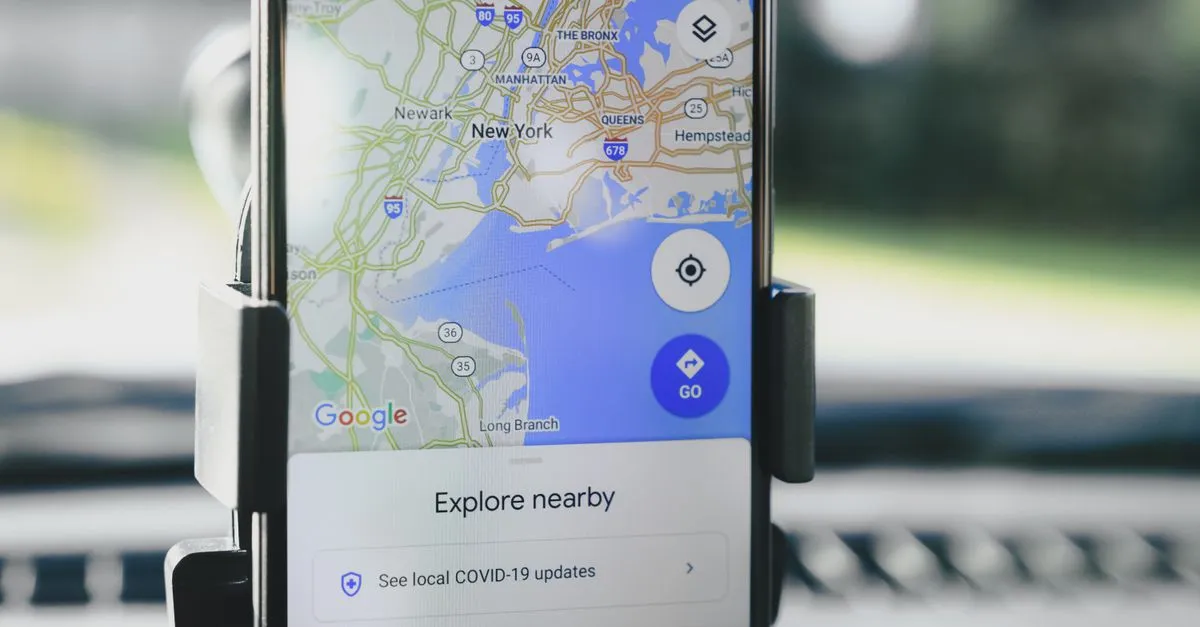
Your Google Business Profile is the biggest lever
For local search, your Google Business Profile does more heavy lifting than your website. It is the thing that shows up in the map pack, so treat it like a storefront, not a formality.
Fill in every field. Pick the most accurate primary category you can, then add secondary categories that genuinely apply. Write real business hours, add your service area, list your services, and upload actual photos of the place, not a stock image of a handshake. Keep it current, because an abandoned profile ranks like an abandoned building looks.
I am keeping this section short on purpose, because I already wrote the deep version. If you want the field-by-field walkthrough, read Google Business Profile optimization. The point for today: a complete, active profile beats a half-filled one almost every time, and most of your competitors filled theirs out like a form at the DMV.
Reviews are prominence you can actually earn

Reviews are one of the clearest prominence signals you have, and unlike distance, you can influence them. Google looks at how many you have, how good they are, and how recent they are. That last part surprises people. A steady trickle of fresh reviews usually beats a big pile that all arrived two years ago and then stopped.
So ask. After a good job, a real request to a happy customer is not spammy, it is just polite follow-up. Make it easy with a direct link. And respond to reviews, all of them, including the cranky one from the guy who was clearly having a bad day. Responding is a small trust signal to Google and a large one to the next person reading. Ignoring reviews is not humility. It is hide-and-seek with your own customers.
Do not buy reviews. Fake reviews are against Google’s rules and easy to spot, and nothing says “trust me” like a business that had to purchase its own reputation.
Make your name, address, and phone number match everywhere
Here is the boring one that quietly wrecks local rankings: inconsistent NAP. That is your Name, Address, and Phone number, and Google cross-references it across your site, your profile, and directories to decide whether it can trust where you are.
I know how much this matters because I went looking through my dad’s auto repair website and found a city listed in Texas where he does not even have a location, plus a couple of broken links, courtesy of the agency that also parked its logo in the footer. Wrong location data is not a typo you can shrug off. It tells Google and customers two different stories, and Google resolves ties by trusting the business less.
Fix it in this order:
| Where | What to check |
|---|---|
| Your website | NAP visible, correct, and identical (footer and contact page) |
| Google Business Profile | Exact same name, address, phone |
| Major directories | Yelp, Bing Places, Apple Maps, industry sites all agree |
| Old listings | Kill or correct duplicates and closed locations |
Pick one canonical format for your address and phone, then make every source say it the same way. “St.” versus “Street” sounds trivial, but consistency is the whole point. Running more than one location makes this trickier, and I broke that out in local SEO for multiple locations.
Build content that actually mentions where you are
Google cannot rank you for “plumber in Springfield” if your site never says Springfield in a way that sounds like a human wrote it. Local content is how you connect your services to your place.
Create a real page for each core service, and if you serve distinct areas, give each one its own genuine page, not fifty near-identical pages with the city name swapped like a mail merge. That trick is old, and Google can read. Write about local projects, answer questions your actual customers ask, and mention neighborhoods and landmarks naturally because that is how people search.
This is also where answer engines come in. People now ask AI tools for local recommendations, and those tools pull from the same clear, well-structured content and consistent business facts. A local business ignoring AI search because it feels new is like a shop that refuses to put its hours on the door. The customers still want to know, they will just ask somewhere else.
Handle the technical basics Google needs
You cannot rank a page Google struggles to read, and local sites trip over the same technical stuff as everyone else. Two things earn their keep here.
First, add LocalBusiness schema markup. Schema is not decoration, it is how you tell Google your name, address, phone, hours, and geo in a format it does not have to guess at. Google’s structured data documentation covers the exact fields.
Second, speed. A slow site frustrates the visitor and drags on rankings, and Google measures it through Core Web Vitals. This is where a lean, well-built site pays off over a page builder carrying thirty plugins to the finish line. Pretty is not the same as fast, and Google keeps score. If you want the fuller picture on on-page and technical work, our local SEO service page lays out how we approach it.
Earn a few local links
Prominence also comes from other sites vouching for you. You do not need a thousand backlinks. You need a handful of relevant local ones: the chamber of commerce, a local supplier, a sponsorship, a genuinely useful mention in a regional publication. Quality and relevance beat volume here. Ten links from real local sites do more than a hundred from directories nobody visits. Chasing link count for its own sake is how budgets quietly disappear.
Track the right scoreboard, not the vanity one
One honest opinion, because it saves people money: chasing “rank number one” as the only goal is the wrong scoreboard. Rankings are useful, but more visibility only helps if the right people show up. Traffic without intent is just strangers wandering through your listing with no plans to buy anything.
Watch the things that connect to real customers instead: calls and direction requests from your profile, review volume and recency, which queries you appear for, and whether the visits turn into actual bookings. A green ranking chart is nice. A booked calendar is the point.
Give it a realistic timeline
Local SEO is not a vending machine. You do not optimize a profile at breakfast and get the map pack by lunch. Some things move faster than full organic SEO, a freshly completed profile can gain visibility fairly quickly, but the durable gains come from consistency. At the bare minimum, give it three months before judging results, and honestly, more time is better. Google has to crawl, notice the changes, and decide it trusts them. Trust is slow because trust is supposed to be slow.
Frequently asked questions
How long does it take to improve local SEO rankings?
Give it at least three months before judging results, and more time is better. Some pieces, like a newly completed Google Business Profile, can gain visibility sooner, but durable ranking comes from consistent work over time. Google needs to crawl your changes, evaluate them, and build trust, and none of that happens overnight.
What is the most important local SEO ranking factor?
There is no single magic factor, but your Google Business Profile does the most visible work for map pack results, followed closely by reviews and consistent business information. Google weighs relevance, distance, and prominence together. You cannot control distance, so focus your effort on a complete profile, genuine reviews, and accurate details everywhere.
Do reviews really affect local rankings?
Yes. Google considers the number, quality, and recency of your reviews as part of prominence. A steady flow of recent, genuine reviews tends to help more than a large batch that stopped arriving long ago. Respond to reviews too, since engagement is a trust signal to both Google and the next customer reading them.
What is NAP consistency and why does it matter?
NAP stands for Name, Address, and Phone number. Consistency means those details are formatted identically across your website, your Google Business Profile, and every directory. Google cross-references this data to confirm your business is real and located where you say. Conflicting information makes Google trust you less, which can hold your rankings back.
Can I pay Google for a better local ranking?
No. Google states plainly that there is no way to pay for or request a higher local ranking. Ads are a separate product and do not improve your organic map pack position. The only path to better local rankings is the organic work: a strong profile, real reviews, consistent information, useful local content, and relevant links.
How do I rank in the Google map pack?
The map pack pulls from your Google Business Profile, so optimize it fully, choose an accurate primary category, and keep it active. Then support it with genuine reviews, consistent NAP across the web, local content on your site, and a few relevant local links. Proximity to the searcher also plays a role, which is why results shift as people move around.
Does my website still matter for local SEO?
Yes. Your Google Business Profile leads for map results, but your website backs it up with relevance and prominence signals. It needs clear local content, LocalBusiness schema, fast load times, and consistent NAP. A strong profile paired with a weak website leaves rankings on the table, since the two reinforce each other.
Is local SEO different from regular SEO?
It overlaps but adds a geographic layer. Regular SEO focuses on relevance and authority, while local SEO also weighs distance and leans heavily on your Google Business Profile, reviews, and citations. The fundamentals like useful content and clean technical structure still apply, they just get pointed at a specific place and audience.
Start with the boring fields
If you only do three things this week: complete your Google Business Profile, ask a few happy customers for reviews, and make your name, address, and phone number match everywhere. Those move the needle more than any clever trick, and most of your competitors skipped them.
Not sure where your site stands right now? Run a free audit for an honest read on speed, structure, and the technical basics. Fix the boring fields first. The rankings tend to follow the businesses that stopped making Google guess.