
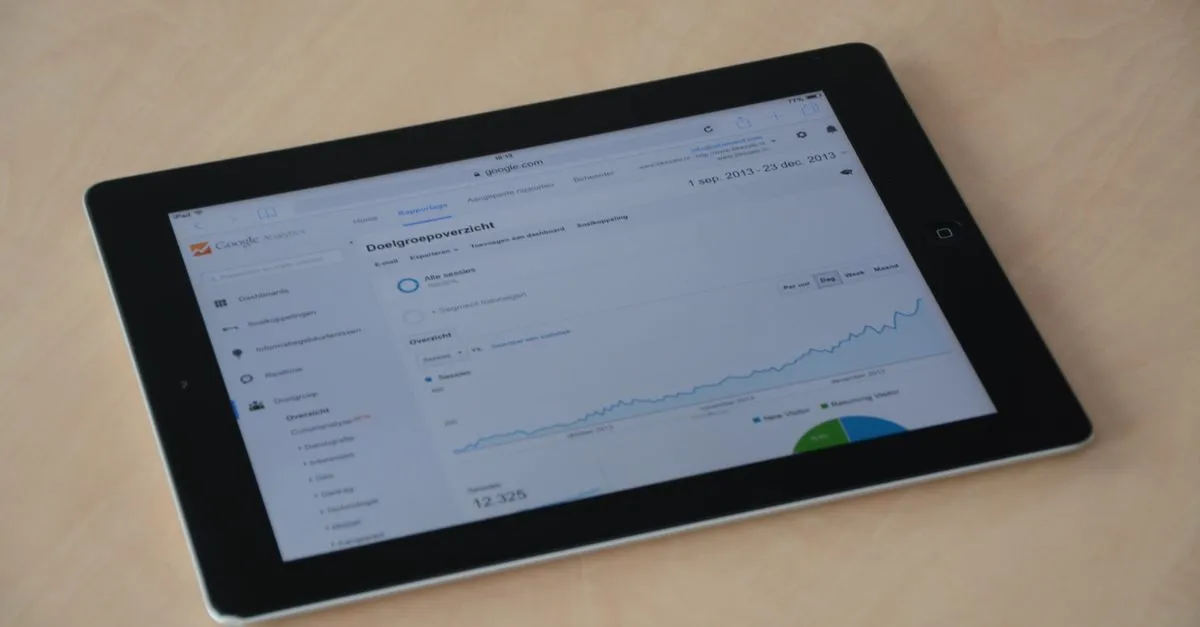
You measure SEO success by tracking the metrics that connect to actual business outcomes: organic traffic, clicks, rankings for the right keywords, and conversions, not the vanity numbers that look impressive and mean nothing. The goal is not a prettier chart. It is knowing whether SEO is bringing you the right people and turning them into customers.
Most SEO reports fail because they measure activity instead of results. A green arrow without context is not insight. It is decoration. Here is what to actually track, and what to ignore.
Conversions are the KPI that pays the bills
Before you can track them, it helps to be clear on what actually counts as a conversion, since it is any action you want a visitor to take, not just a sale. These tie effort to outcomes, roughly in order of importance:
- Organic conversions. Leads, calls, bookings, or sales from organic search. This is the one that pays the bills. Rankings are nice, but conversions are the point.
- Organic traffic. People arriving from unpaid search. Rising organic traffic means your visibility is growing.
- Clicks and impressions. From Google Search Console: impressions show how often you appear, clicks show how often people choose you.
- Average position for your target keywords. Not every keyword, the ones tied to real business value.
- Click-through rate (CTR). Clicks divided by impressions. A low CTR on high impressions usually means weak titles or descriptions.
More traffic is helpful only if the right people show up. A thousand visitors who never convert are worth less than fifty who call. Ranking for the wrong keyword is like winning a trophy for a sport you do not play.
Two free Google tools show you the truth
You do not need expensive software to start. Two free Google tools cover most of it:
- Google Search Console shows impressions, clicks, average position, and the exact queries bringing you traffic. The Search Console performance report is the most honest view of how you are doing in search. Check it before guessing.
- Google Analytics shows what people do once they arrive: which pages they land on, how long they stay, a signal often called dwell time, and whether they convert.
Together they answer the two real questions: are the right people finding me, and are they doing what I want when they arrive. If your marketer will not give you access to these, that is a red flag. If you pay for the marketing, you should see the data.
Stop worshiping the vanity metrics

Some numbers look great in a report and tell you almost nothing on their own:
- Traffic with no conversions. Volume for its own sake.
- Rankings by themselves. Position one for a keyword nobody valuable searches changes nothing.
- Domain authority scores. Third-party invented metrics, useful as rough context, meaningless as a goal.
- Number of blog posts or keywords. Activity, not outcome.
- Impressions with no clicks. Being seen is not being chosen.
A report should explain what happened, why it mattered, and what happens next. If it creates more questions than answers, the report is the problem. If the report needs a translator, the report failed.
Give it time, then judge honestly
One caveat: measure over the right window. SEO takes at least three months to show meaningful movement, so judging week one is pointless. Watch the trend across months, not the mood on a Tuesday. For the full picture on timing, see how long it takes to rank. And if you are also chasing AI search, the metrics there are different; our post on AI search visibility covers those. A full website audit ties it all together.
Frequently asked questions
How do I measure SEO success?
Track metrics tied to business outcomes: organic conversions first, then organic traffic, clicks, impressions, rankings for valuable keywords, and click-through rate. Use Google Search Console and Google Analytics to see whether the right people are finding you and taking action. Judge the trend over months, not days.
What are the most important SEO KPIs?
Organic conversions are the most important, because they connect SEO to revenue. After that: organic traffic, clicks and impressions, average position for target keywords, and click-through rate. The right mix depends on your goals, but conversions should anchor the list.
What free tools can I use to measure SEO?
Google Search Console and Google Analytics cover most of what you need at no cost. Search Console shows impressions, clicks, positions, and queries; Analytics shows on-site behavior and conversions. Together they answer whether the right people are finding you and what they do next.
What SEO metrics should I ignore?
Be skeptical of vanity metrics: raw traffic with no conversions, rankings for keywords nobody valuable searches, third-party domain authority scores, and counts of blog posts or keywords. They can look impressive while telling you nothing about whether SEO is actually growing the business.
How often should I check my SEO metrics?
Review key metrics monthly for trends, and glance at Google Search Console more often for new issues or query opportunities. Avoid obsessing over daily ranking fluctuations, which are normal noise. SEO is a long game, so monthly reporting usually reflects real progress better than daily checks.
How do I know if my SEO is actually working?
Look for a steady upward trend across months in impressions, clicks, rankings for valuable keywords, and especially organic conversions. Early on, rising impressions and improving average position signal progress before clicks and conversions follow. If those leading indicators climb, the work is landing.
Measure what pays the bills
SEO success is not a vanity dashboard, it is more of the right customers finding you and taking action. Track the metrics that connect to that, ignore the ones that just look good, and give the work enough time to prove itself.
Want a clear baseline to measure from? Run a free audit to see where your site stands today, or explore our organic SEO service to see how we build a stronger foundation for relevant search visibility. Reports should produce decisions. Anything else is just decoration with a login.