The SEO agency for retail stores that fills aisles, not just carts
A pure online shop only has to close the sale on a screen. Your store has to get found online and then get the shopper through the door. We do the organic SEO that ranks your products and your storefront for what nearby buyers actually search.
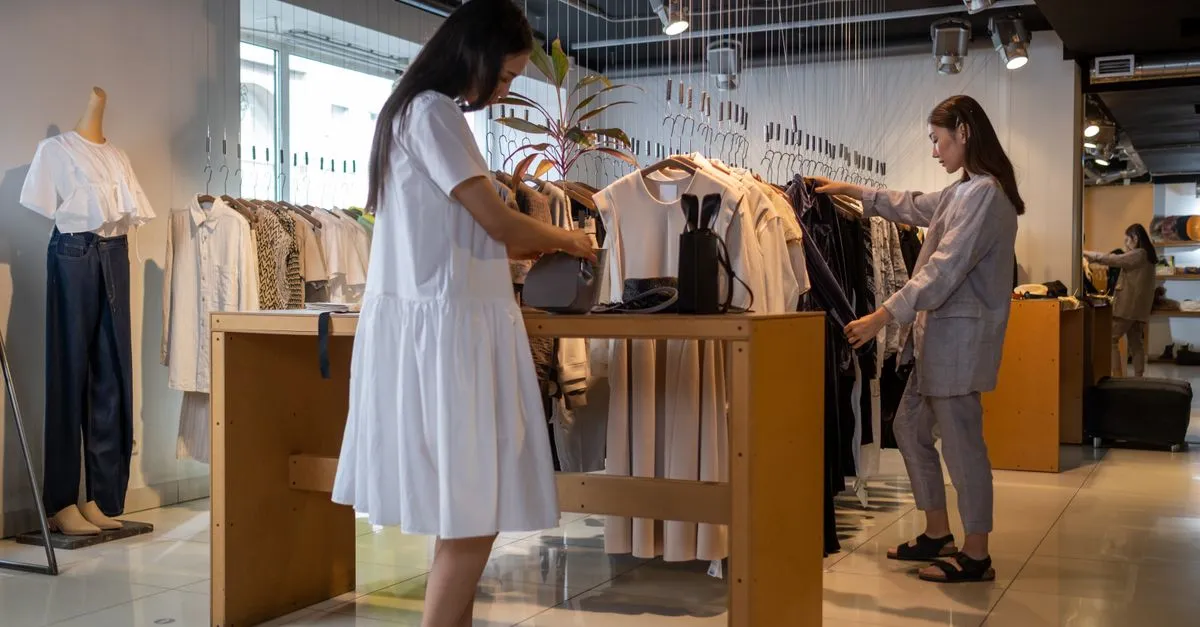
- Organic search only, never paid ads
- Built for online product searches and in-store trips
- You own your site, listings, and data
Hiring an SEO agency for retail stores means solving a harder problem than a pure online shop: shoppers have to find your products online and then decide your storefront is worth the trip. We do the organic SEO that ranks your product and category pages for what people search, and pair it with local SEO so the person hunting for that item near them walks into your aisle instead of the big box down the road.
What we do for Retail Stores
Product searches routed to your shelves
Pages built to rank for the categories and items you actually stock, not vanity terms.
In stock and near me visibility
Show up for shoppers who want that specific product nearby and want it today.
Buy online, pick up in store pages
BOPIS pages built to rank for buyers who order online and grab it in person.
Store pages that earn the local trip
Location and department pages tuned for the foot-traffic searches that bring buyers in.
Technical SEO your storefront site needs
Fast, crawlable pages so Google can read every product, department, and location.
Named in local AI answers
Get surfaced when a shopper asks AI where to buy something near them right now.
The searches that walk shoppers through your door
A pure online store chases carts. You are chasing carts and trips. Ranking for the bare word "store" is a vanity project. These are the searches that actually bring a nearby buyer to your aisle.
Product plus place
- shoe store [city]
- record store near me
- craft supply store [city]
- kids toy store near me
In stock and pickup
- [product] in stock near me
- buy [product] online pick up in store
- [product] available today [city]
- same day pickup [city]
Storefront intent
- [store type] open now
- [product] store near me
- where to buy [product] locally
- [store type] near me
Research before the trip
- does [store] carry [product]
- best [product] shop [city]
- [store type] with [product] in stock
Why retail SEO lives between the search bar and the sidewalk
Your shoppers research online and buy in person
Most in-store purchases start with an online search, even when the sale happens at your counter. The shopper checks who has the item, who has it nearby, and who has it in stock before deciding where to drive. That is your opening: a store that answers "who has this near me right now" with clear product pages and honest availability wins the trip. Google’s Product structured data lets you show price and availability right in the search result.
Your storefront is a search result, not just a building
A pure online shop is only ever a website. You are a website and a place on a map, and both have to be findable for the same product. When the two line up, a "near me" search turns into a person standing in your store. Clean LocalBusiness structured data and organic pages that match your real inventory are how you connect the search to the sidewalk.
One store, two front doors
Ecommerce SEO optimizes a catalog nobody can touch. You have a catalog people can walk into, which means your website and your physical store should tell Google the same story: same products, same hours, same city. When your online pages and your storefront agree, you rank for the local product searches a marketplace can never serve, because Amazon does not have your address.

See which local searches your store can win
Run a free audit and we will show you where your store ranks now, which product and "near me" searches are within reach, and where the marketplaces cannot follow you onto the sidewalk. No guarantees, no gimmicks, just the work.
Frequently asked questions
How long does SEO take to work for a retail store?
Plan for at least three months before you see meaningful movement, and longer in competitive metros or for popular product categories. Local and "near me" searches often move sooner than broad product terms. Google is slow to trust a site, so patience is part of the plan, not a warning sign.
How much does SEO for a retail store cost?
It depends on your market, how many products and locations you have, and whether you sell online, in the store, or both. Be wary of flat quotes handed out before anyone looks at your site and listings. What matters is that the work is clear, owned by you, and tied to real trips and sales, not vanity traffic.
Most of my sales happen in the store. Is SEO still worth it?
Yes. Most shoppers research online before they walk in, even when they buy in person. Showing up for the products they search, plus "near me," "in stock," and "open now," is what gets them through your door in the first place. If nobody can find the store online, it might as well not exist.
What is the difference between retail SEO and ecommerce SEO?
Ecommerce SEO optimizes a catalog that only ever ships. Retail SEO has to win the online search and the in-person trip, so it blends product pages with local, near me, and pickup searches tied to a real storefront. If you only sell online, ecommerce SEO is your page. If people can walk in, retail SEO fits better.
Can SEO help my buy online, pick up in store option?
Yes, and it is one of retail’s biggest advantages over pure online shops. Shoppers search for items they can order and grab the same day. Pages built around your pickup option, real availability, and local product searches capture buyers who want it now and do not want to wait on shipping.
Does retail SEO help with AI search too?
Increasingly, yes. Shoppers now ask ChatGPT and Google AI Overviews where to buy something locally, and those tools cite their sources. The same signals that rank you in Google, real product detail, clear store info, and honest availability, are what get your store named in an AI answer.