
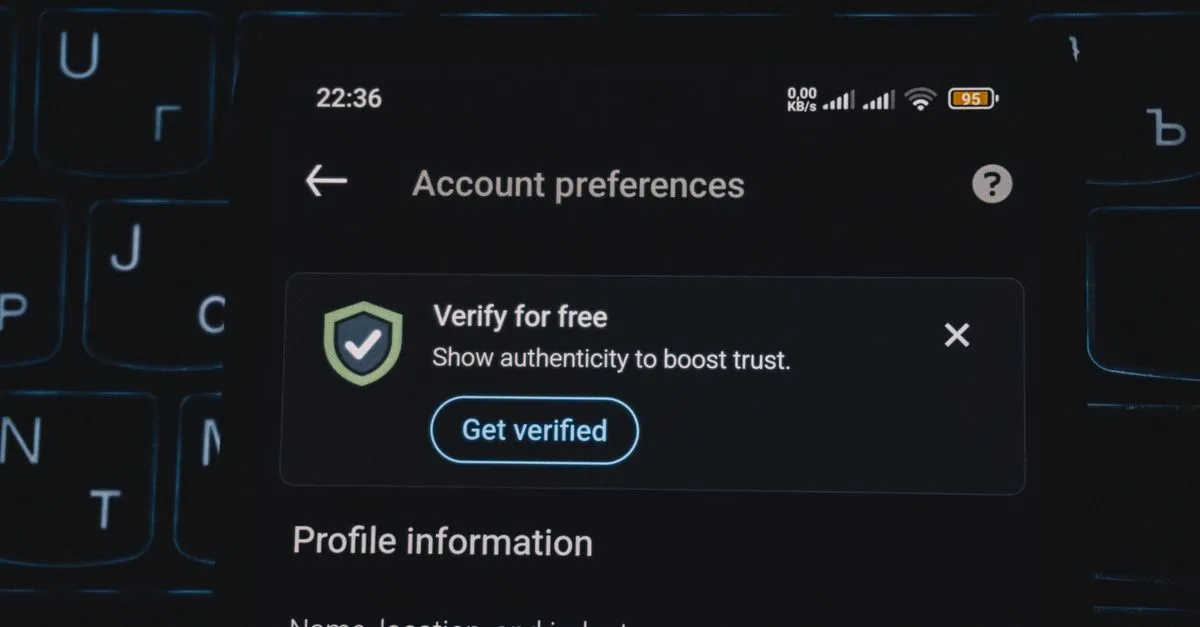
E-E-A-T stands for Experience, Expertise, Authoritativeness, and Trustworthiness. It is the framework Google’s quality raters use to judge whether content is worth ranking, and while it is not a single dial in the algorithm, it describes exactly the kind of signals Google rewards. In plain terms: E-E-A-T is Google asking “should we trust this page, and the person behind it?”
For a small business, E-E-A-T is the difference between being one more anonymous page and being a source Google feels safe recommending. Here is what each letter means and, more usefully, how to actually prove it.
Each letter is a signal you can prove
- Experience: Have you actually done the thing? First-hand experience, real photos, genuine stories, and specifics that only someone who did the work would know.
- Expertise: Do you know your subject? Relevant knowledge, credentials, and depth on the topic.
- Authoritativeness: Does the wider web treat you as a go-to source? Mentions, links, and reputation from other credible places.
- Trustworthiness: Can people rely on you? Accurate information, a secure site, clear authorship, and honest claims. Google has said trust is the most important of the four.
Google folds all of this into its guidance on creating helpful, people-first content. The theme is consistent: write for humans, prove you are real, and do not fake authority you have not earned.
Why E-E-A-T matters more every year

Two things made E-E-A-T central. First, the internet filled up with generic AI content that says a lot and proves nothing, so Google leans harder on signals that separate the real from the recycled, which is a big part of why unique, original content matters more now than it ever has. Second, AI search raised the stakes: answer engines like Google’s AI Overviews use E-E-A-T as a strict filter for what they will cite, because an AI that quotes a bad source looks bad. If you want to be cited in Google AI Overviews, E-E-A-T is the price of admission.
This is also why a real author matters. Generic, unsigned content reads as AI-written and rootless. That is part of why I put my name and background on this site instead of hiding behind a faceless “team.” You can read who is actually writing these posts, which is the whole point.
How to actually prove E-E-A-T on your site

E-E-A-T is not a meta tag. It is shown, not declared. Claiming expertise with nothing to back it is a resume with no jobs on it, and Google reads resumes for a living. Practical moves:
- Put real authors on your content, with a genuine bio and credentials. Never invent a persona.
- Show first-hand experience: real examples, original photos, specific details, honest results.
- Earn authority off-site: mentions and links from credible, relevant sources. This is slow and real, which is why lazy marketers skip it.
- Build trust signals: serve the site over HTTPS, keep information accurate, cite sources, and make claims you can back up. Our technical SEO basics post covers the security and structure side.
- Use clear structured data so Google can connect the author, the organization, and the content.
None of these are tricks. That is the point. E-E-A-T rewards being genuinely trustworthy, which is annoying for anyone hoping to shortcut it and great for honest businesses willing to show their work.
Frequently asked questions
What does E-E-A-T stand for?
E-E-A-T stands for Experience, Expertise, Authoritativeness, and Trustworthiness. It is the framework Google’s quality raters use to evaluate content quality and the credibility of the people and sites behind it. Trust is considered the most important of the four.
Is E-E-A-T a ranking factor?
Not a single, direct one. E-E-A-T is a concept that describes the kinds of signals Google’s systems reward, rather than one measurable score. But improving the real things behind it, experience, expertise, authority, and trust, reliably helps how Google evaluates and ranks your content.
How do I improve E-E-A-T for my website?
Put real, credentialed authors on your content, show first-hand experience with specifics and original media, earn mentions and links from credible sites, keep your site secure and accurate, and use clear structured data. It comes down to proving you are a real, trustworthy source rather than claiming it.
What is the difference between E-A-T and E-E-A-T?
E-A-T was the original framework: Expertise, Authoritativeness, Trustworthiness. Google added the extra E, Experience, in late 2022 to emphasize first-hand, real-world knowledge. The addition reflects Google’s push toward content made by people who have actually done the thing.
Does E-E-A-T matter for AI search?
Yes, and more strictly. Answer engines like Google’s AI Overviews use E-E-A-T signals to decide which sources to trust and cite. Weak credibility signals make you far less likely to appear in AI answers, so E-E-A-T is central to both traditional and AI search.
Do small businesses need to worry about E-E-A-T?
Yes. You do not need to be a national brand, you need to be demonstrably real and trustworthy. Genuine authorship, honest information, real reviews, and a secure, clear site go a long way, and they are all within reach of a small business.
Prove you are real, then let Google notice
E-E-A-T rewards the businesses willing to show a face, cite their sources, and stand behind their claims. That is not a burden for an honest operator. It is an advantage over every anonymous content mill you compete with.
Want to see how your site stacks up on the technical trust signals, security, structure, and clarity? Run a free audit and start there. Google cannot trust a page it cannot verify, so give it something real to work with.