SEO-Friendly Website Design: Build Pages Google Reads


SEO-friendly website design means building a site that Google can read, crawl, and understand before you ever think about keywords. It is not a plugin you add at the end. It is a set of decisions you make while the site is being built: how fast it loads, how it is structured, how the code is written, and how it behaves on a phone. Get those right and everything else gets easier. If you first need the case for why design matters to the business at all, see why web design is important.
Here is the mistake I see constantly. People treat SEO as a coat of paint applied after launch. Then they wonder why a gorgeous website gets no traffic. A pretty website that nobody can find is just expensive decor for an empty room. The design and the SEO are the same project, and pretending otherwise is how good-looking sites end up invisible.
Let me walk through what actually makes a site search-friendly, from the parts Google sees first.
Speed is a ranking factor, not a nice-to-have

Page speed affects both rankings and whether a human sticks around. Google measures loading experience through Core Web Vitals, and its own guidance on web performance treats speed as part of how a page is judged. Slow pages lose people before the content ever loads.
This is where builders quietly tax you. Wix, Squarespace, and Webflow make it easy to launch and hard to optimize. They often ship bloated, script-heavy pages that look fine in the demo and crawl on a real phone. I build in real code, usually with Astro, because it produces fast, static, clean HTML instead of a pile of scripts wearing a trench coat. Pretty is not the same as fast, and Google keeps score on the difference.
I once checked a marketing company’s own website out of curiosity. Slow load, a mediocre Lighthouse score, the works. A firm’s own site is the one project with no client to blame, no approval chain, and no owner asking to enlarge the logo. If they cannot get that one right, handing them yours takes a certain optimism.
Google looks at the phone version first
Google predominantly uses the mobile version of your site to rank it. That is mobile-first indexing, and it has been the default for a while now. If your site is beautiful on a desktop and a mess on a phone, Google is judging the mess.
A responsive layout that genuinely works on small screens is not optional. Text should be readable without pinching. Buttons should be tappable without a stylus and a prayer. The mobile experience is not a smaller version of the real site. For Google, it is the real site.
Structure so Google and people can navigate

A search-friendly site has an obvious shape. Important pages are a click or two from the homepage, which does more SEO heavy lifting than any other page, so I cover homepage-specific SEO tips on their own. Related content is linked together. Nothing valuable is buried where neither a person nor a crawler will find it. If nobody can find it, it might as well not exist.
A few things that pay off:
- Clean URLs. Short, lowercase, hyphenated, and descriptive.
/services/local-seotells a story./page?id=8842tells a shrug. - Logical navigation. Menus that group things the way a customer thinks, not the way your org chart is drawn.
- Descriptive internal links. Link with real anchor text like “our web design service,” not “click here.” That anchor text tells Google what the destination page is about.
- A sensible hierarchy. Services under services, blog posts under the blog. Predictable beats clever.
Do not make Google solve a puzzle. A confusing structure does not create curiosity. It creates a back button.
Write the code so machines understand it
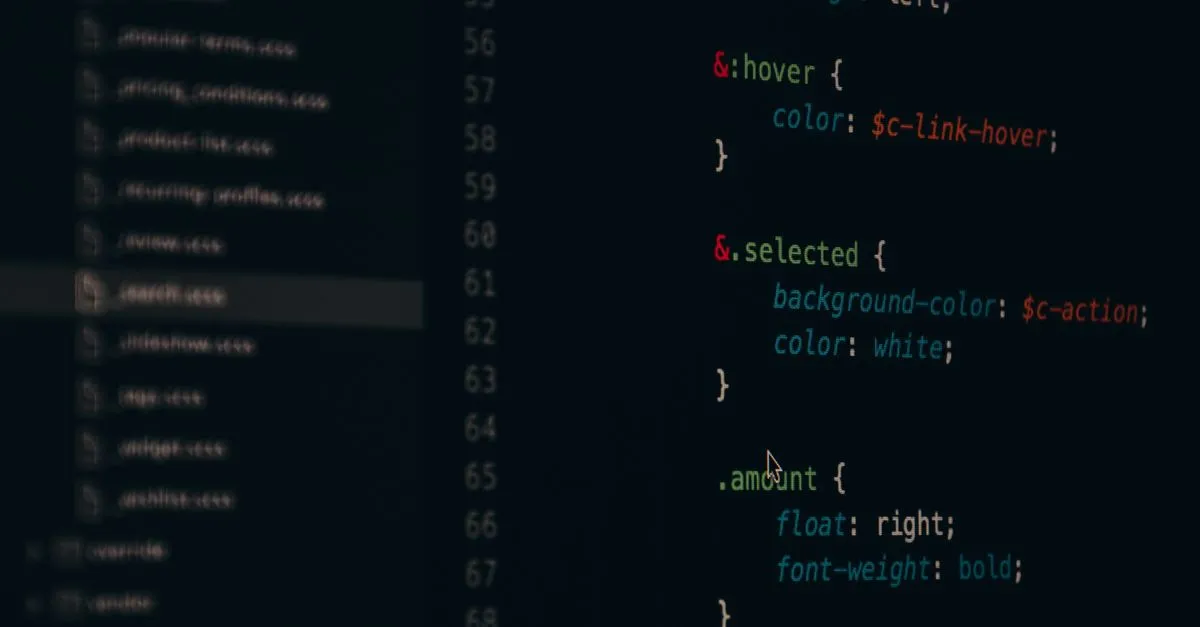
I have a computer science degree, so I care about the code under the design, not just the template. This is the part most marketers skip because it is not glamorous, and it is exactly the part that decides whether Google understands the page at all.
Semantic HTML means using the right element for the job: real headings, real lists, real navigation and article tags, not a thousand identical divs in a costume. It gives your content meaning a machine can read. On top of that, use exactly one H1 per page with your primary keyword, then H2s and H3s in a logical order to break up the content. Add schema markup so the page can declare what it is. Schema is not decoration. It is how you tell Google what the page actually is.
Two more basics that matter more than they sound. Serve the site over HTTPS, because security is a ranking signal and browsers now flag sites without it. And optimize your images: descriptive filenames, real alt text, and compressed modern formats so they do not drag your speed back down. Clean code is the foundation for both organic SEO and AI-powered SEO, because a page a crawler can read is a page an answer engine can quote.
A high score is not the finish line
Run your site through Lighthouse and you get scores for performance, accessibility, best practices, and SEO. Useful. Just do not confuse the health check with the strategy.
Lighthouse tells you if the page is technically healthy. It does not tell you if the page is good marketing. A perfect score on a weak page is still a weak page. It just loads quickly while disappointing people. Chase clarity and usefulness first, then tighten the technical screws. The goal was never to worship a number. It was to make the site faster, clearer, more crawlable, and more useful.
Frequently asked questions
What makes a website SEO-friendly?
An SEO-friendly website loads fast, works well on mobile, has a clear structure with clean URLs, uses semantic HTML and proper headings, and is easy for search engines to crawl. It is built with SEO in mind from the start, rather than having optimization bolted on after launch.
Does website design really affect SEO?
Yes, directly. Site speed, mobile usability, structure, and clean code are all signals Google uses, and they also decide whether visitors stay. A well-designed site is easier to crawl, understand, and rank, while a bloated or confusing one works against you no matter how nice it looks.
Is a website builder like Wix or Squarespace bad for SEO?
Builders can rank, but they often ship slower, heavier pages and give you less control over the technical details. They are easy to launch and harder to fully optimize. For businesses that care about performance and long-term SEO, custom-built pages usually give you a cleaner, faster foundation.
How important is site speed for SEO?
Very. Page speed is a confirmed ranking factor and a major part of user experience. Slow pages lose visitors and rank worse, especially on mobile. Fast, lightweight pages give both people and search engines a better experience, which is why speed is a design decision, not an afterthought.
What is semantic HTML and why does it matter for SEO?
Semantic HTML means using elements for their actual purpose, like headings, lists, navigation, and article tags, instead of generic containers. It gives your content structure that search engines and AI tools can understand, which helps them read, index, and quote your pages accurately.
How long until a new website starts ranking?
Give it at least three months, and honestly more time is better. Google has to crawl, index, and evaluate the site, and trust takes time to build. A technically sound design speeds up the process, but SEO is a long-term investment, not an overnight result.
Build it right the first time
Fast, mobile-first, cleanly structured, and written in real code that machines can read. That is SEO-friendly website design in one breath. None of it requires magic. It requires deciding to do the unglamorous parts instead of hoping Google grades on looks.
Want to know where your current site stands? Run a free audit and see the technical health for yourself, or read up on how to rank in ChatGPT once the foundation is solid. Fix the page first. Then worry about making it fancy.