
Web design is important because your website is usually the first impression a customer gets, and they judge your business in seconds. Good design earns trust, guides people toward action, and quietly turns visitors into customers. Bad design does the opposite, often without you ever knowing why the phone is not ringing. Your homepage is not a business card. It is a salesperson.
Design is not about being pretty for its own sake. It is about being clear, fast, and trustworthy. Here is why it matters more than most owners think, and what actually counts.
People judge you in seconds
A visitor decides whether to trust your business almost instantly, and a big chunk of that judgment is based on how the site looks and feels. A clean, professional design signals that you are legitimate and pay attention to detail. A cluttered, dated, or broken one signals the opposite, fairly or not.
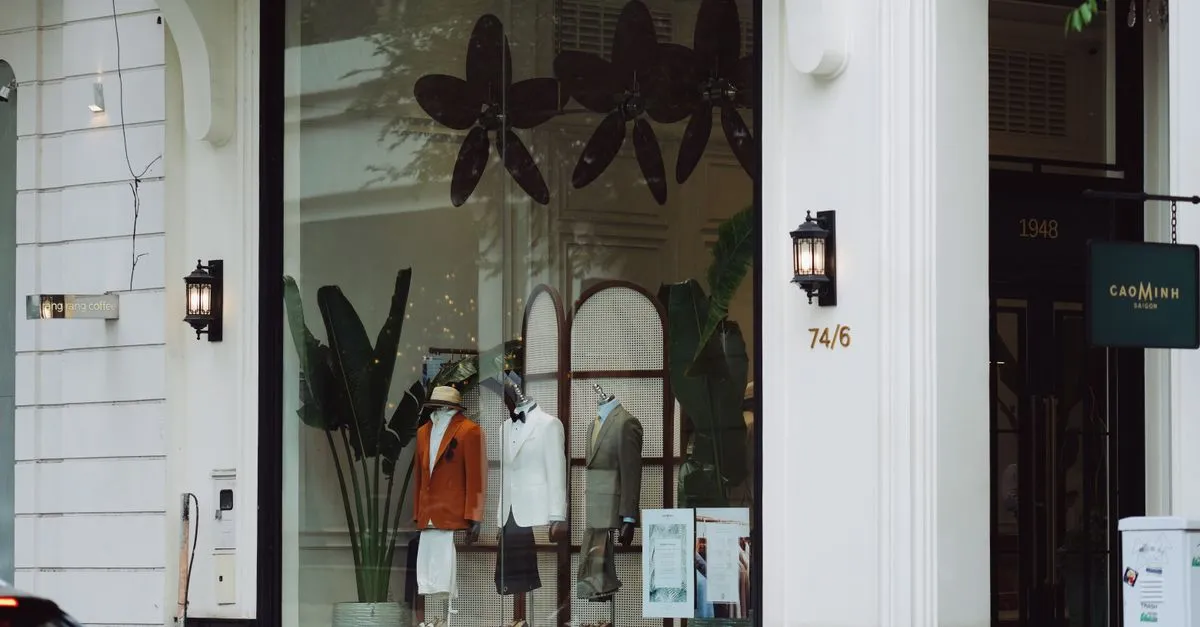
Think of it like a storefront. A tidy, well-lit shop invites people in. A grimy window with a flickering sign sends them next door, even if the product inside is excellent. Your website is that window for most customers, and it is open around the clock.
Clarity beats clever, every time
The first five seconds decide a lot. If a visitor cannot tell what you do and what to do next, the page is already losing. Clear beats cute. A confusing website does not create curiosity. It creates a back button.
Good design guides the eye: an obvious headline that says what you offer, a clear next step, and a layout that does not make people hunt. “We provide solutions” is not positioning. It is a sentence wearing a disguise. The best-designed sites feel effortless precisely because someone did the work of removing friction, and I promise you the visitor never notices that work, they just stay.
Speed and mobile are design decisions
Most web traffic is now on phones, and Google ranks the mobile version of your site first, so a slow or clunky mobile experience costs you customers and rankings at the same time. Speed is not a technical afterthought; it is part of the design. Google measures the loading experience through Core Web Vitals, and people simply leave pages that make them wait.
This is where I watch a lot of good-looking sites fall apart. A design stuffed with heavy scripts and giant images looks fine in the demo and crawls on a real phone, like a sports car that only runs downhill. Pretty is not the same as fast, and Google keeps score. The best design is the one that loads quickly and works everywhere, which is the whole idea behind SEO-friendly website design.
Design is how you build trust before a word is read
People decide whether to trust a business almost before they consciously read anything, and design carries most of that first judgment. Consistent colors, clean typography, real photos of your actual work, and an obvious way to get in touch all quietly say “this is a real, careful business.” Stock photos of a building that is not yours, mismatched fonts, and a contact form that goes nowhere say the opposite.
Trust also lives in the small signals: an SSL padlock, a privacy policy, visible reviews, a real address or service area. None of them are flashy. Together they are the difference between a visitor who feels safe handing over their information and one who quietly leaves.
Accessible design reaches more customers
Good design is also design more people can actually use. Readable font sizes, strong color contrast, descriptive links, and alt text on images make your site work for people with visual impairments, people on slow connections, and people in a hurry, which is most of us. Accessibility overlaps heavily with SEO, too: the same clean structure and descriptive text that help a screen reader help Google understand the page.
Ignoring it narrows your audience for no good reason. You would not build a storefront with a step nobody can climb, so do not build a website only some people can use.
Design and SEO are the same project
Here is the part most people separate that should not be. Design decisions are SEO decisions. Site structure, speed, mobile usability, and clarity all affect whether Google ranks you and whether humans stick around. A beautiful site nobody can find is a very expensive diary; a findable site nobody trusts is a leaky bucket. You need both, which is why we treat design and organic SEO as one job in our web design and organic SEO work.
Frequently asked questions
Why is web design important for a business?
Because your website is often a customer’s first impression, and they judge your credibility within seconds. Good design builds trust, makes it clear what you offer, guides people toward action, and loads fast on any device. Poor design quietly drives visitors away before they ever contact you.
Does web design affect SEO?
Yes, directly. Site speed, mobile-friendliness, clear structure, and clean code are all things Google weighs, and they also determine whether visitors stay. A well-designed site is easier to crawl, understand, and rank, while a slow or confusing one works against you no matter how it looks.
How does web design affect conversions?
Design guides visitors toward action. A clear headline, obvious next step, and friction-free layout make it easy to buy, book, or call. Slow load times and confusing navigation do the reverse, causing people to leave before converting. Small design improvements often produce meaningful gains in inquiries and sales.
What makes a website well-designed?
A well-designed site is clear about what the business offers, loads fast, works cleanly on mobile, and guides visitors toward an obvious next step. It looks professional and trustworthy without sacrificing speed. Good design removes friction rather than adding decoration.
Is a good-looking website enough?
No. Looks matter for trust, but a site also has to be fast, findable, and clear. A gorgeous site that loads slowly or that Google cannot understand will still underperform. The goal is a design that is attractive, fast, and easy for both people and search engines to use.
How much does web design affect first impressions?
A great deal. Most visitors form an opinion of your business within seconds of landing on your site, and much of that is based on design and how quickly the page loads. A clean, fast, professional design earns trust immediately, while a dated or slow one undermines it.
How does web design affect trust?
Visitors judge credibility within seconds, largely from design. Consistent branding, real photos, clear contact options, and trust signals like an SSL padlock and visible reviews make a business feel legitimate. Sloppy or generic design does the reverse, driving people away before they read a word.
Is accessibility part of good web design?
Yes. Readable text, strong color contrast, descriptive links, and image alt text let more people use your site, including those with visual impairments or slow connections. Accessibility also overlaps with SEO, since the same clean structure and descriptive text that help assistive tools help search engines understand your pages.
Design like a customer is watching, because they are
Web design matters because it is the first, and sometimes only, impression your business gets to make. Clear, fast, and trustworthy beats flashy every time, and it happens to be exactly what Google rewards too.
Want to know how your current site measures up on speed and structure? Run a free audit for an honest read, or see how we approach web design. Make the site clear and fast first. Then worry about making it fancy.